For many refugee and immigrant families, healthcare can feel out of reach even when a clinic is only a few miles away.
The challenge is not always a lack of concern. It may be a lack of insurance, limited transportation, unfamiliar medical language, cultural differences, or uncertainty about where to go for help.
For Bhutanese-American families rebuilding their lives in the United States, these barriers can make preventive care harder to access.
The Pritam Adhikari Education Foundation America, known as PAEFA, works to help close that gap through trusted health education, community partnerships, and direct connections to care.
PAEFA’s work is rooted in the legacy of Pritamber “Pritam” Adhikari, a former Bhutanese refugee who believed education should be used to serve others. Today, that vision continues through community health programs designed to help families make informed decisions and access resources with dignity.
Why Community Health Education Matters
Health information is only helpful when people can understand it, trust it, and use it.
Refugee families may enter the American healthcare system without a clear understanding of insurance, preventive screenings, primary care, referrals, or emergency services.
Even basic medical instructions can become difficult when language and cultural barriers are involved.
PAEFA responds by bringing health education into familiar community spaces.
Rather than expecting families to navigate complex systems alone, the organization works through workshops, health fairs, bilingual educational materials, and partnerships with medical and community organizations.
These programs help families ask questions, recognize health risks, and learn where support is available.
Addressing the Health Issues Families Face
PAEFA’s health and wellness initiatives have covered a wide range of topics affecting Bhutanese youth, adults, women, and families.
These include breast cancer awareness, mental health, diabetes, high blood pressure, asthma, women’s health, substance abuse prevention, vaccinations, and emergency life-saving skills.
Each subject matters because early information can shape what happens next.
A person who understands the warning signs of high blood pressure may seek care sooner.
A woman who learns about breast cancer screening may feel more prepared to schedule a mammogram.
A family with reliable mental health information may be more willing to ask for help.
Health literacy does not replace medical care.
It helps people reach that care with more confidence.
Creating Culturally Relevant Health Resources
PAEFA has developed health education materials in both Nepali and English.
This is especially important for families who may understand conversational English but feel more comfortable receiving detailed health information in their first language.
Bilingual materials can make medical topics less intimidating and reduce the risk of misunderstanding.
They also allow information to travel beyond a single workshop, reaching parents, grandparents, friends, and other members of the community.
Connecting Uninsured Women to Free Mammograms
One of PAEFA’s most meaningful health outreach efforts took place at the Harvest Community Health Fair in Clarkston, Georgia.
At the event, PAEFA provided breast cancer awareness education and helped register more than 40 uninsured women for free mobile mammograms.
That support went beyond handing out brochures.
For women without health insurance, a preventive screening may feel financially impossible.
Some may delay care because they fear the cost, do not know which services are available, or are unsure how to register.
By helping women connect directly with free screening services, PAEFA helped turn health awareness into action.
The organization worked alongside partners including Mosaic Health Center, Refugee Women’s Network, Emory Health, and other community groups committed to improving healthcare access.
This kind of partnership is essential.
No single nonprofit can solve every barrier, but trusted organizations can work together to make care easier to find and use.
Building Healthier Communities Through Local Partnerships
PAEFA continued this work at the Bloom into Better Health Community Health Fair in Clarkston, Georgia, on March 28, 2026.
The event was organized by Mosaic Health Center and brought together nonprofit organizations and community partners focused on improving wellness and access to health resources.
Community health fairs can play an important role for families who may not regularly visit a doctor.
They offer an approachable environment where people can learn, ask questions, meet service providers, and discover programs they may not have known existed.
For PAEFA, participating in these events also helps build trust.
Families are more likely to listen, share concerns, and seek support when information comes from people who understand their experiences and speak with respect.
The Importance of Breast Cancer Awareness
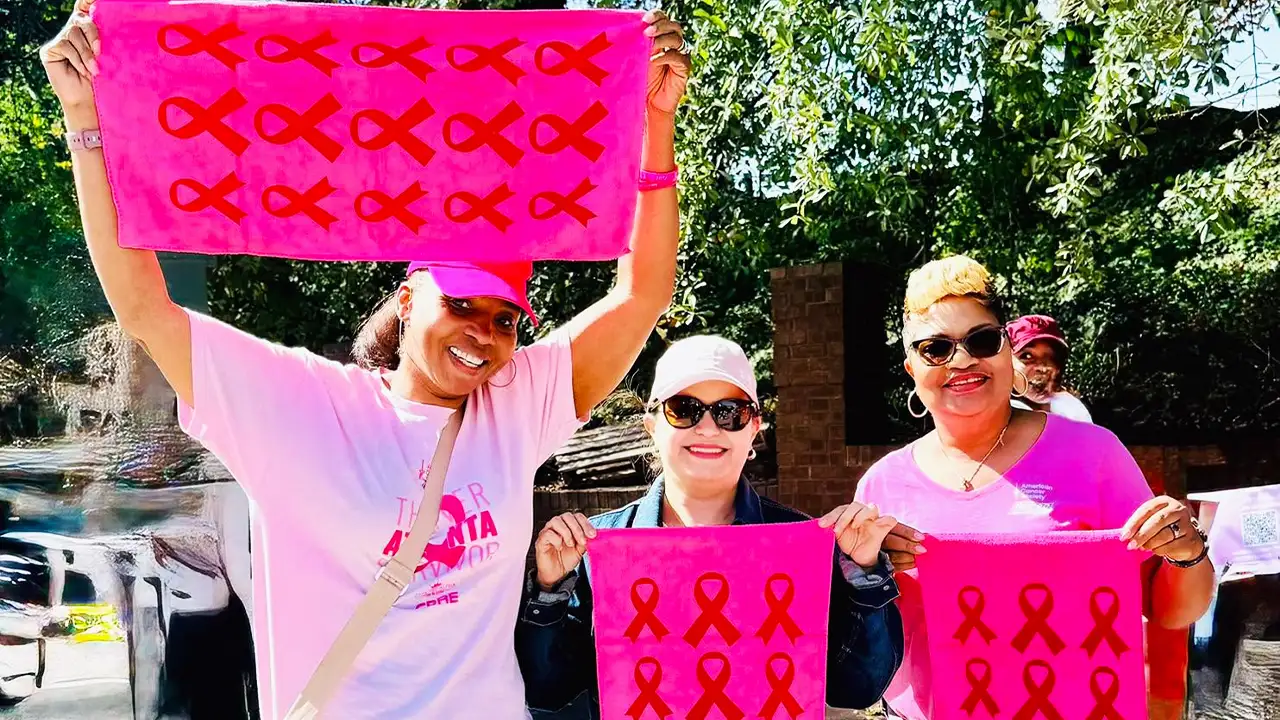
Breast cancer education has been one of PAEFA’s key areas of community outreach.
The organization has hosted workshops and participated in public events where families can learn about screening, early detection, and available health services.
PAEFA also supported breast cancer awareness activities during the Dashain-Tihar Mela in Ohio in 2024.
Cultural gatherings offer a valuable opportunity to reach people who may not attend a traditional health seminar.
When health education is brought into a familiar celebration or community event, the conversation can feel less formal and more accessible.
That approach can help people engage with serious health topics without feeling isolated or judged.
Making Space for Mental Health Conversations
Physical health is only one part of community wellness.
PAEFA’s mission also includes mental health awareness and substance abuse prevention.
These topics can be difficult to discuss in many families, especially when stigma, fear, or limited access to culturally appropriate services prevents people from seeking help.
Community education can begin to change that.
A workshop may not solve every challenge, but it can give families new language, reduce shame, and help people understand that asking for support is not a weakness.
For refugee communities, mental health conversations may also include the effects of displacement, uncertainty, family separation, resettlement stress, and the pressure to rebuild life in an unfamiliar country.
Creating safe and respectful spaces for these discussions is an important part of long-term community health.
Health Education Is Also About Prevention
Many serious health problems become harder and more expensive to treat when they are discovered late.
That is why prevention is central to PAEFA’s community health work.
Workshops on diabetes, high blood pressure, cancer awareness, asthma, and women’s health can help families understand risk factors and the importance of routine care.
The goal is not to frighten people.
It is to give them practical information they can use.
That may mean encouraging someone to schedule a screening, helping a family find a local clinic, or explaining why regular checkups matter even when a person feels healthy.
Small decisions made early can have a lasting effect.
How Community Support Creates Real Impact
PAEFA’s health programs are supported by volunteers, donors, medical professionals, nonprofit partners, and community members.
A contribution toward workshop materials may help several families receive reliable health information.
A volunteer may help welcome attendees, translate materials, register participants, or connect families with local services.
A healthcare professional may contribute knowledge that makes a workshop more accurate and useful.
According to PAEFA’s donation impact examples, a $50 contribution can help provide health workshop materials for approximately 20 people.
The amount may seem modest, but the effect can extend far beyond one event.
One participant may take the information home and share it with an entire family.
One screening referral may lead to early medical attention.
One trusted conversation may help someone overcome years of hesitation.
Carrying Pritam’s Legacy Into Every Community
Pritam Adhikari understood the power of education because he lived it.
Born in Bhutan, raised in a refugee camp in Nepal, and later resettled in Atlanta, he overcame significant barriers to graduate in the top 10% of his high school class and pursue aerospace engineering studies.
His life showed how access to knowledge and opportunity can change a person’s path.
PAEFA now applies that same belief to community health.
Health education can help people understand their options.
Trusted outreach can help families feel less alone.
Partnerships can connect underserved communities with services that might otherwise remain out of reach.
This is how Pritam’s values continue to move through the community—not through words alone, but through practical service.
Help PAEFA Build Healthier, Better-Informed Communities
Improving community health begins with access, trust, and education.
PAEFA is working to bring all three closer to Bhutanese-American and underserved families through community health workshops, bilingual resources, health fairs, and partnerships with local organizations.
You can support this mission by donating, volunteering at a health event, sharing professional expertise, or partnering with PAEFA through a healthcare organization, school, nonprofit, or community group.
Your involvement can help provide educational materials, expand outreach, connect uninsured families with services, and make important health information easier to understand.
The Pritam Adhikari Education Foundation America is a tax-exempt 501(c)(3) nonprofit organization.
When families have the information and support they need, they are better equipped to protect their health, care for one another, and build stronger futures.